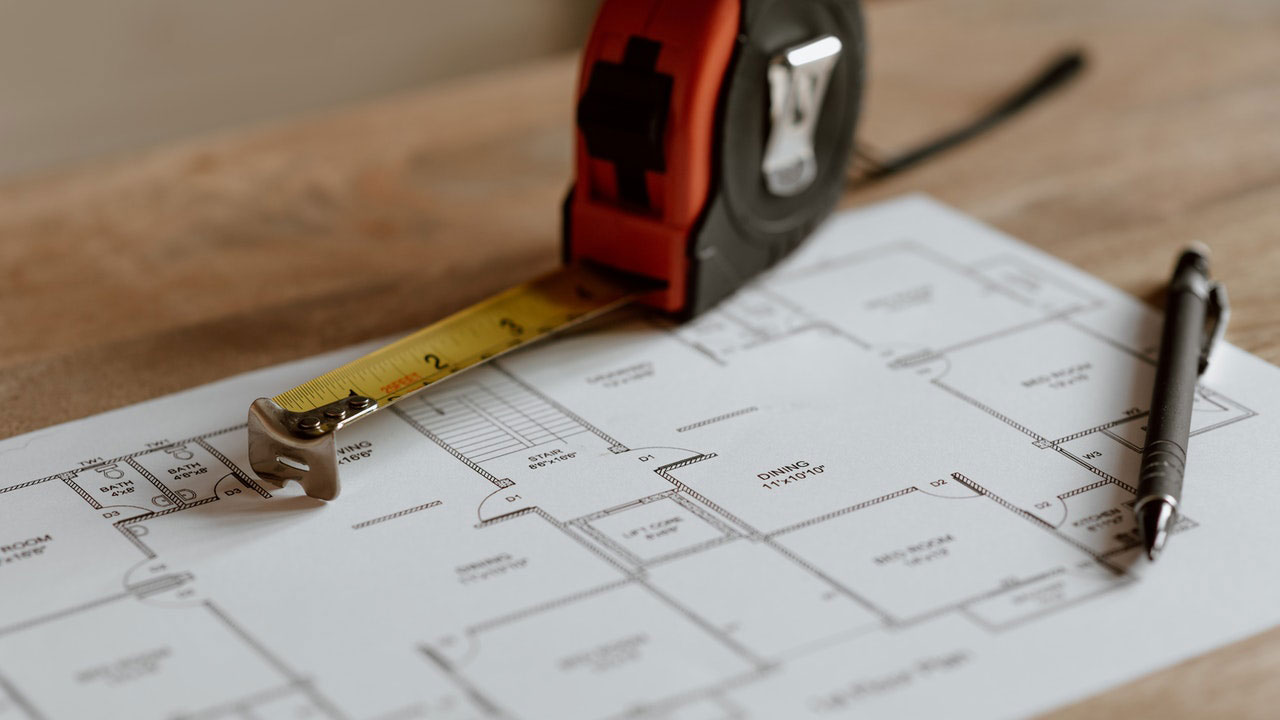
Sustainable construction has become a core priority in today’s building industry as developers and governments seek to reduce environmental impact while improving long-term efficiency. Modern projects now incorporate eco-friendly materials, energy-efficient systems, and waste-reduction strategies to minimize their carbon footprint. By focusing on sustainability from the design phase, construction teams can deliver buildings that are both environmentally responsible and economically beneficial over time.
The Role of Advanced Technology in Construction
Technology is transforming how construction projects are planned and executed. Tools such as Building Information Modeling (BIM), drones, and project management software allow teams to visualize designs, monitor progress, and detect potential issues before they become costly problems. These innovations improve accuracy, enhance collaboration among stakeholders, and significantly reduce delays, resulting in faster and more reliable project delivery.
Enhancing Structural Integrity Through Innovation
Choosing the right materials is crucial for ensuring the longevity and safety of any modern structure. Engineers are now utilizing self-healing concrete and carbon-fiber reinforcements to create buildings that are more durable than ever before. These advancements not only reduce maintenance costs but also significantly lower the environmental impact of the construction process. By integrating these high-performance materials with smart architectural planning, the industry is moving toward a standard of excellence where safety and sustainability go hand in hand.
Furthermore, the collaboration between architects and urban planners is essential for creating cohesive environments. This multidisciplinary approach allows for the development of smart cities that utilize data to optimize energy consumption and traffic flow. As we look toward the future, the focus remains on building resilient, efficient, and community-focused spaces that can stand the test of time and adapt to the changing needs of the population.