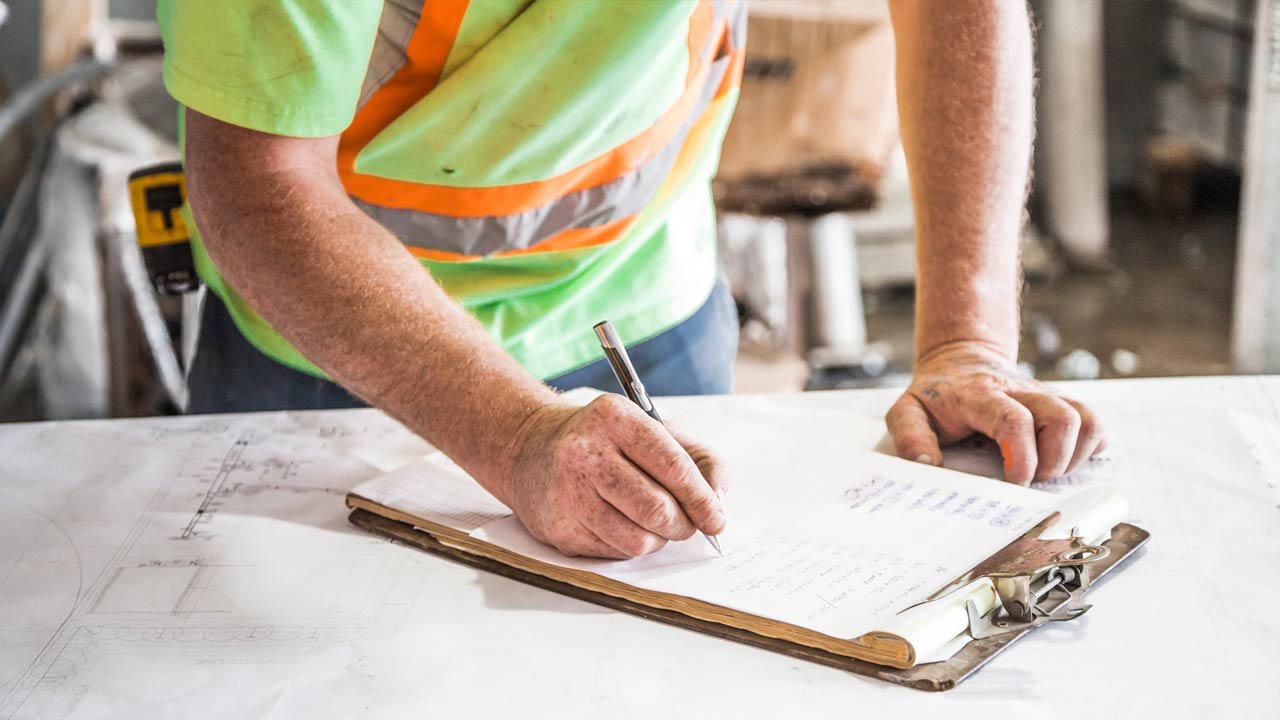
Modern construction increasingly emphasizes innovative design solutions that combine aesthetics, functionality, and sustainability. Architects and engineers collaborate closely to create structures that are visually appealing while optimizing space, natural light, and energy performance. Thoughtful design not only enhances user experience but also reduces operational costs over the building’s lifecycle.
Efficient Resource Planning and Procurement
Successful projects depend on the timely availability of materials, equipment, and skilled labor. Strategic procurement ensures that high-quality resources are secured at competitive prices without causing delays. Careful planning also minimizes waste, improves cost control, and supports smoother execution across all phases of construction.
Ensuring Compliance with Regulations and Standards
Every construction project must adhere to local building codes, safety regulations, and environmental requirements. Compliance ensures that structures are safe, legally approved, and fit for long-term use. Regular inspections, documentation, and coordination with authorities help prevent legal issues and costly modifications after completion.
Enhancing Durability Through Quality Materials
The longevity of any building depends heavily on the materials used during construction. Selecting durable, weather-resistant, and high-performance materials reduces maintenance needs and extends the life of the structure. Investing in quality materials upfront often results in significant savings over time while maintaining structural integrity.
Adapting to Changing Client Needs
Construction projects today must be flexible enough to accommodate evolving requirements, whether due to technological advancements, business expansion, or lifestyle changes. Modular design concepts and adaptable layouts allow buildings to be modified or expanded without major structural alterations, ensuring long-term usability and value.